Why HVAC Mold Inspection is Critical for Indoor Air Quality
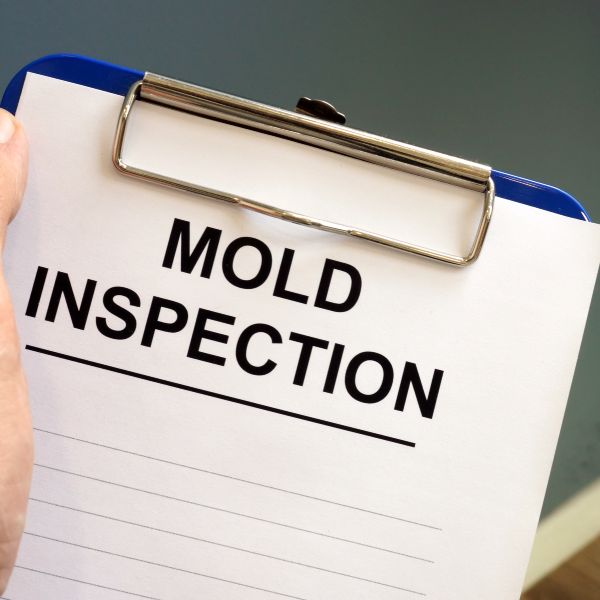
Mold growth in HVAC systems is more than just an eyesore—it’s a serious health hazard that can compromise indoor air quality and put building occupants at risk. When mold colonizes within heating and cooling systems, it spreads microscopic spores throughout every room, affecting the health and comfort of everyone inside.
The Hidden Danger in Your Ductwork
Many property owners don’t realize that their HVAC system can become a breeding ground for mold. Dark, damp conditions inside ductwork create the perfect environment for mold to thrive. Once established, these colonies release spores into the air supply, circulating contaminants with every heating and cooling cycle.
What Professional HVAC Mold Inspection Includes
A comprehensive HVAC mold inspection involves:
-
Visual examination of accessible ductwork and components
-
Moisture level assessment in critical areas
-
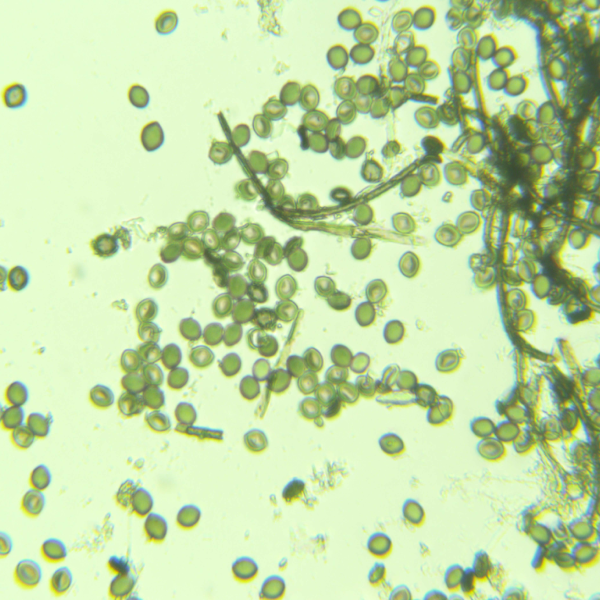
Air quality sampling to detect mold spores
-
Identification of mold species and contamination levels
-
Detailed reporting with remediation recommendations
Protect Your Investment and Health
Regular HVAC mold inspections aren’t just about compliance—they’re about protecting the health of building occupants and preserving the integrity of your HVAC investment. Early detection can prevent costly remediation projects and potential liability issues down the road.
When to Schedule an Inspection
Consider professional HVAC mold inspection if you notice:
-
Musty odors when the system runs
-
Visible mold growth around vents or registers
-
Increased allergy symptoms among occupants
-
Water damage or flooding history
-
Poor indoor air quality complaints
Don’t wait for mold problems to escalate. Contact IAQ Health today to schedule a professional HVAC mold inspection and take the first step toward healthier indoor air quality.
I Found Mold in Your HVAC System - Here's What Happens Next
Let’s Talk About What I Just Found
I know finding out you have mold in your HVAC system isn’t what you wanted to hear today. Trust me, I’ve had this conversation hundreds of times, and I understand the concerns running through your mind right now. Let me walk you through exactly what we’re dealing with and how we’re going to fix it.
First Things First – Should You Be Worried?
The most common question I hear is: “Is this dangerous?” Here’s my honest answer: Mold in your HVAC system needs to be addressed, but we caught it, and now we can fix it. The fact that you called me out here shows you’re taking your indoor air quality seriously, and that’s exactly the right move.
You might be wondering: “How long has this been here?” That’s tough to say for certain, but based on what I’m seeing, I can give you an estimate. More importantly, let’s focus on getting it cleaned up properly.
What Exactly Did I Find?
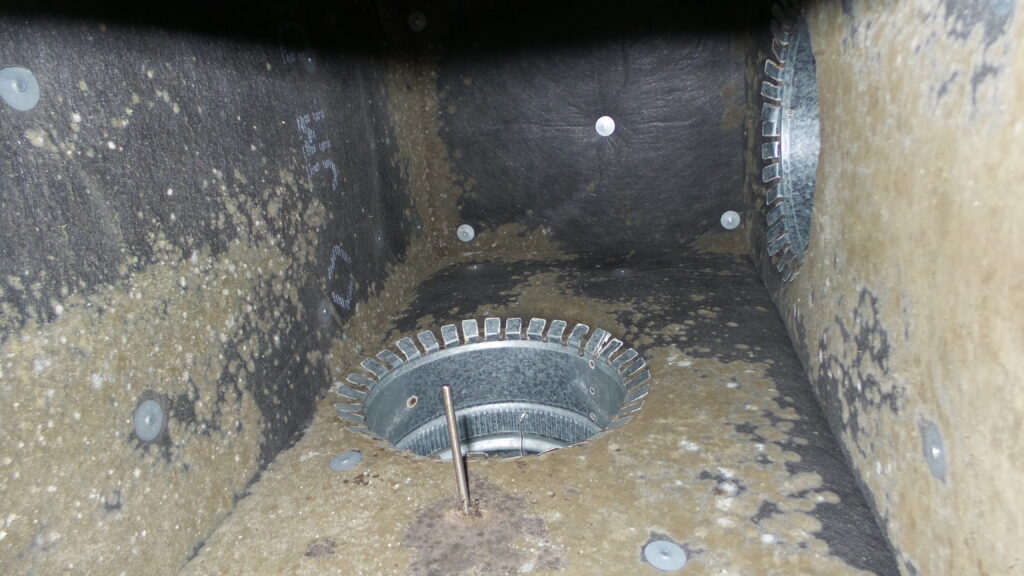
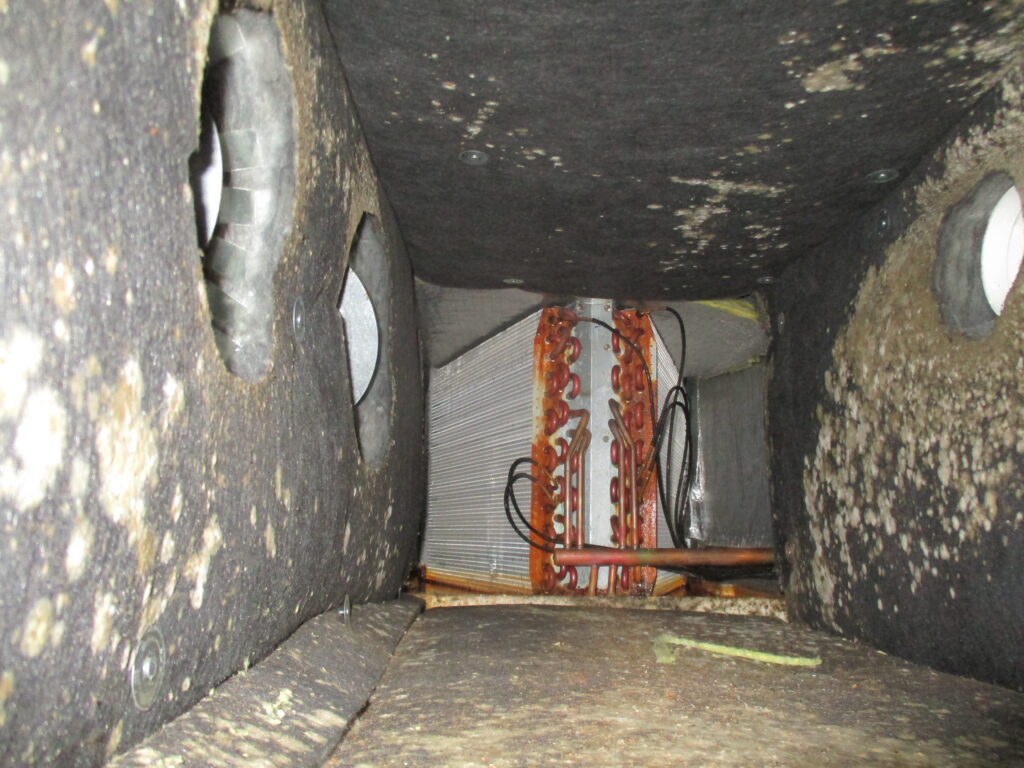
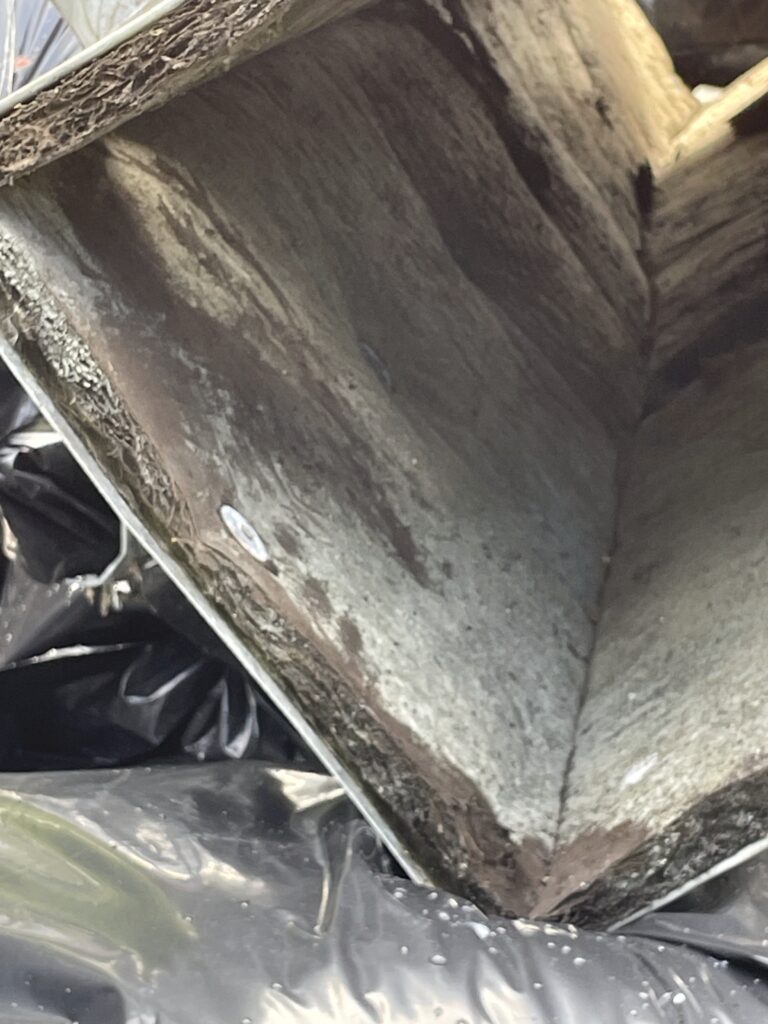
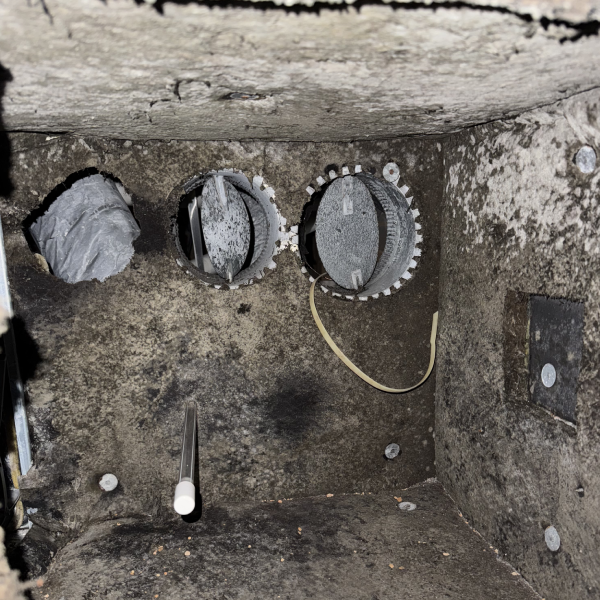
Let me be specific about what’s going on in your system. When I inspected your ductwork and components, here’s what I discovered: [This is where I’d describe the specific location and extent – for example: “On the second floor system there’s mold growth inside the supply air plenum, which is connected to your air handler. The air supply plenum duct has internal insulation called ductliner and its close enough to the AC coil that mold can grow on it”]
Why Did This Happen?
You’re probably asking yourself, “What caused this?” In most cases, it comes down to moisture. Your HVAC system moves air, and when in the AC mode the coil is reaching dew point and collecting moisture. Ironically downstream of the coil the humidity can get elevated enough to support mold growth on the ductliner.
In your case, I noticed [specific issue – examples: “your drain line was partially clogged, causing water to back up” or “there’s been a small leak in the ductwork near the bathroom” or “the insulation around your ducts is deteriorating and creating condensation issues”].
Here’s What We Need to Do
Now, before you ask “Can’t we just spray some bleach on it?” – let me explain why that won’t work. Bleach might kill surface mold, but it won’t solve the underlying problem, and it can actually make things worse in an HVAC system. Plus, we need to make sure we don’t spread spores throughout your house while we’re cleaning.
The Right Way to Handle This
Here’s my plan, step by step:
Step 1: Contain the Problem
First, we’re going to shut down your HVAC system temporarily – yes, I know it’s inconvenient, but we can’t have air blowing spores around while we work. Then we’ll seal off the affected areas with plastic sheeting to create a containment zone.
Step 2: Remove the Contamination
We’ll carefully remove any materials that are too contaminated to clean – think of it like cutting out the bad parts. For surfaces that can be salvaged, we’ll use HEPA vacuums and specialized cleaning agents that are designed specifically for HVAC systems.
Step 3: Treat and Prevent
Once everything is clean, we apply an EPA-registered antimicrobial coating. This isn’t just spraying something and hoping – it’s a proven treatment that prevents regrowth.
Step 4: Fix the Moisture Issue
This is the most important part. Remember that moisture problem I mentioned? We need to fix that, or the mold will just come back. In your case, that means [specific repair – examples: “clearing your condensate drain line and installing a safety switch” or “repairing that duct leak and properly insulating the line” or “adjusting your system’s humidity controls”].
Questions I Know You’re Going to Ask
“How long will this take?”
Based on what I’m seeing here, we’re looking at about [realistic timeframe – typically 1-2 days for moderate residential work]. I’ll need to bring in my specialized equipment and possibly another technician to help with the containment work.
“Can we stay in the house?”
Yes, absolutely. We’re containing the work area, so you won’t be exposed to anything during the remediation. You just won’t have HVAC in that zone while we’re working.
“How much is this going to cost?”
I understand this is a major concern. The cost depends on the extent of remediation needed and the repairs to fix the moisture source. I’ll put together a detailed estimate for you before we start any work. Generally, for what I’m seeing here, you’re looking at [be honest about general range – “somewhere between $1,500-$3,000 depending on final scope” or similar].
“Will our homeowner’s insurance cover this?”
That depends on your specific policy and what caused the moisture problem. If it’s from a sudden issue like a pipe leak, many policies will cover it. If it’s from maintenance-related issues or long-term condensation, coverage is less likely. I can provide you with detailed documentation to submit to your insurance company.
“How do I know this won’t happen again?”
Great question – this is exactly what I want to address. After we remediate the mold and fix the moisture source, I’m going to recommend a maintenance schedule. This might include quarterly drain line cleaning, annual duct inspections, or installing a UV light in your system to inhibit future mold growth. I’ll explain all your options once we’re past the remediation phase.
“Do you have the right training for this?”
I’m certified in HVAC mold remediation through [specific certification – would mention actual credentials here]. I’ve handled cases like yours many times, and I follow all EPA and industry guidelines. I’m not just an HVAC tech who decided to clean some mold – I’ve got specialized training for this exact situation.
What I Need From You
Before we get started, here’s what I need:
-
Your approval on the scope of work – I’ll send you a detailed proposal in writing
-
Access to the affected areas – We’ll need to move furniture or items near vents
-
Someone available during the work – In case questions come up
-
Patience with the process – I know it’s disruptive, but doing it right means doing it thoroughly
After We’re Done
Once remediation is complete, I’m going to run post-remediation testing. This isn’t optional – it’s how we verify that we actually solved the problem. I’ll take air samples and send them to an independent lab. When those results come back clear, you’ll have documentation that your system is clean.
I’ll also give you a maintenance plan in writing. This will spell out exactly what you need to do – and when – to prevent this from happening again.
The Bottom Line
Look, I know this isn’t fun. Nobody wants to hear “you have mold” and then deal with the disruption and expense of fixing it. But here’s what I can promise you: We’re going to take care of this the right way. When I’m done, your HVAC system will be clean, the moisture issue will be fixed, and you’ll have peace of mind about your indoor air quality.
I’ve been doing this work for [years of experience], and I stand behind every job. If you have any questions – and I mean ANY questions, even if you think they sound silly – call me. I’d rather spend 20 minutes on the phone explaining something than have you worrying about it.
What’s Our Next Step?
Here’s what I’m going to do right now: I’m preparing a detailed written proposal that breaks down everything I found, what we need to do, the timeline, and the cost. You’ll have that in your email within [timeframe – typically “24 hours” or “by end of day”].
Take your time reviewing it. Call me with questions. Then, when you’re ready to move forward, we’ll get you on the schedule and take care of this once and for all.
You did the right thing calling me out here. Now let’s get your system back to breathing clean air.
Ready to Get Started?
Contact IAQ Health to schedule your remediation work. I’m here to answer questions and guide you through every step of this process.